Introduction: Aging Is Not Just About Time
Aging is often seen as inevitable—a slow, unstoppable decline written into our biology. But modern science paints a more nuanced picture.
Aging isn’t just about getting older. It’s the result of accumulated damage in our cells, tissues, and systems over time. The encouraging part? While we can’t stop aging entirely, research shows we can slow down how fast it happens—sometimes significantly.
And surprisingly, the most effective methods aren’t extreme or expensive. They’re rooted in everyday habits.
Understanding Aging at the Cellular Level
At its core, aging happens because the body gradually loses its ability to repair itself.
Cells accumulate damage, DNA becomes less stable, and biological systems begin to function less efficiently. Scientists often refer to this as a buildup of “wear and tear,” although newer theories suggest aging is also linked to disruptions in how our genes are regulated.
This leads to a key insight:
If we can reduce damage and improve repair mechanisms, we can slow aging.
The #1 Factor: Physical Activity
If there’s one habit consistently backed by research, it’s exercise.
Regular movement doesn’t just keep you fit—it actively slows biological aging. Studies show that exercise can influence gene expression and even reverse aspects of biological age.
Why it works:
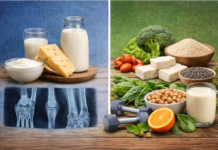
- Improves cardiovascular health
- Maintains muscle and bone mass
- Enhances brain function
- Reduces inflammation
In fact, many experts describe exercise as the closest thing we have to a “fountain of youth.”
Nutrition: Fueling Longevity
What you eat directly impacts how your body ages.
A diet rich in whole, unprocessed foods helps reduce inflammation and oxidative stress—two major drivers of aging.
Key principles include:
- Prioritize fruits, vegetables, and whole grains
- Include healthy fats (like nuts and fish)
- Limit processed and sugary foods
Another area gaining attention is calorie restriction—reducing calorie intake without sacrificing nutrients. Research suggests it may slow biological aging and delay age-related diseases.
Sleep: The Body’s Repair System
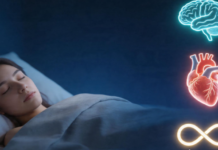
Sleep is when your body does most of its repair work.
Poor sleep increases inflammation, disrupts hormones, and accelerates aging at the cellular level. On the other hand, consistent, high-quality sleep supports:
- Brain function
- Immune health
- Cellular repair
Skipping sleep isn’t just tiring—it’s aging you faster.
Stress: The Silent Accelerator
Chronic stress is one of the most underestimated factors in aging.
When stress levels remain high, the body stays in a constant “fight-or-flight” state. Over time, this leads to:
- Increased inflammation
- Hormonal imbalance
- Faster cellular aging
Managing stress through mindfulness, relaxation, or simple downtime can have a measurable impact on longevity.
Lifestyle Habits That Make a Difference
Beyond the big pillars, several smaller habits play a powerful role:
- Avoid smoking – Tobacco accelerates cellular damage
- Limit alcohol – Excess intake increases disease risk
- Protect your skin – Sun exposure is a major cause of premature aging
- Stay socially connected – Strong relationships are linked to longer life
Individually, these may seem small—but together, they shape how your body ages over decades.
The Big Idea: Aging Is Modifiable
One of the most important takeaways from modern research is this:
Aging is not entirely fixed.
While genetics play a role, lifestyle choices have a massive influence on how fast—or slow—you age. Some estimates suggest that a large portion of longevity is determined by behavior, not just DNA.
In other words, daily decisions compound over time.
Conclusion: Simple, But Not Easy
The science of anti-aging doesn’t point to a miracle pill or secret hack.
Instead, it points to something both simpler and harder:
consistent, disciplined habits.
- Move your body
- Eat real food
- Sleep well
- Manage stress
These aren’t trendy solutions—but they are the most powerful.
Because slowing aging isn’t about chasing immortality.
It’s about extending the years you feel strong, clear, and fully alive.