The Secret to Youthful Skin May Be in Your Kitchen
When it comes to maintaining youthful skin and strong joints, many people turn to expensive creams, serums, and cosmetic treatments. However, the real secret to slowing the aging process may be much simpler—and far more natural.
Nutrition plays a major role in how our bodies age. Certain foods contain nutrients that help support collagen production, reduce inflammation, and protect cells from damage caused by oxidative stress. These factors are essential for maintaining skin elasticity, joint health, and overall vitality as we grow older.
Collagen, the most abundant protein in the body, is responsible for keeping skin firm, smooth, and resilient. But starting around the mid-20s, the body’s natural collagen production gradually declines, which contributes to wrinkles, sagging skin, and weaker connective tissues.
The good news? A diet rich in nutrient-dense foods can help support the body’s natural collagen production and protect it from premature breakdown.
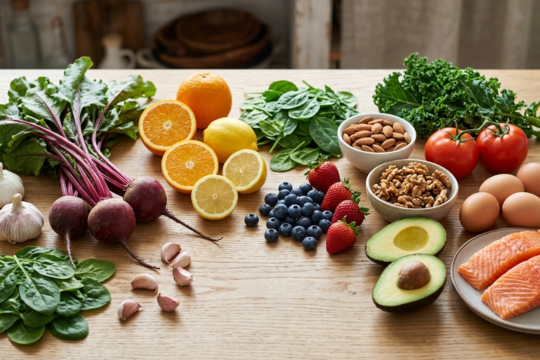
Here are ten powerful foods that may help slow the aging process from the inside out.
1. Beets
Beets are rich in antioxidants and nitrates that support healthy circulation. Improved blood flow helps deliver oxygen and nutrients to skin cells, which may promote a healthier complexion and support collagen formation.
Their high antioxidant content also helps neutralize free radicals—unstable molecules that can damage collagen and accelerate aging.
2. Garlic
Garlic contains sulfur compounds that play an important role in collagen production and stabilization. Sulfur helps strengthen connective tissues and supports the formation of collagen fibers.
In addition, garlic has anti-inflammatory and antioxidant properties that may protect skin cells from damage caused by environmental toxins and oxidative stress.
3. Citrus Fruits
Fruits such as oranges, lemons, and grapefruits are excellent sources of vitamin C, a key nutrient required for collagen synthesis.
Vitamin C helps stabilize collagen molecules and supports the enzymes responsible for building connective tissue. Without adequate vitamin C, collagen production can become impaired.
4. Leafy Green Vegetables
Spinach, kale, and other leafy greens contain chlorophyll, antioxidants, and vitamins that help protect the skin from oxidative damage.
These nutrients may help slow the breakdown of collagen while supporting the body’s natural repair processes.
5. Berries
Berries such as blueberries, strawberries, and raspberries are rich in polyphenols and antioxidants that help protect collagen fibers from damage caused by free radicals.
Their vitamin C content also contributes to the body’s ability to produce new collagen.
6. Tomatoes
Tomatoes contain lycopene, a powerful antioxidant that helps protect the skin from environmental damage, including ultraviolet radiation.
Reducing oxidative stress helps preserve collagen and may help slow visible signs of aging such as wrinkles and fine lines.
7. Nuts and Seeds
Almonds, walnuts, and seeds provide healthy fats, zinc, and vitamin E—nutrients that support skin repair and help maintain the structural integrity of collagen.
Healthy fats also help maintain skin hydration and elasticity.
8. Soy-Based Foods
Soy contains plant compounds known as isoflavones, which may help improve skin elasticity and stimulate collagen production.
Some research suggests that these compounds may support thicker, more resilient skin by influencing collagen levels in the body.
9. Avocados
Avocados are packed with healthy monounsaturated fats and antioxidants that support skin hydration and protect cells from oxidative damage.
Their nutrient profile may help maintain skin elasticity while reducing inflammation throughout the body.
10. Bone-Supporting Protein Sources
Collagen production depends on amino acids such as glycine, proline, and lysine. Foods rich in high-quality protein provide the building blocks needed for the body to create new collagen.
Including a balanced variety of protein sources—such as eggs, fish, legumes, and lean meats—can help support healthy skin, joints, and connective tissue.
Why Diet Matters for Healthy Aging
Many people focus only on topical skincare, but true skin health begins internally. The nutrients obtained through whole foods provide the raw materials the body needs to repair tissues, reduce inflammation, and maintain structural proteins like collagen.
A diet rich in antioxidants, vitamins, and healthy fats helps protect cells from damage while supporting the body’s natural regeneration processes. Over time, these nutritional habits may contribute to healthier skin, stronger joints, and improved overall well-being.
The Bottom Line
While aging is a natural part of life, the foods we eat can influence how gracefully we age. By incorporating collagen-supporting foods into your daily diet, you may help protect your skin, strengthen connective tissues, and support long-term health.
Instead of relying solely on cosmetic products, consider nourishing your body from within. Your kitchen may hold some of the most powerful tools for maintaining youthful vitality.