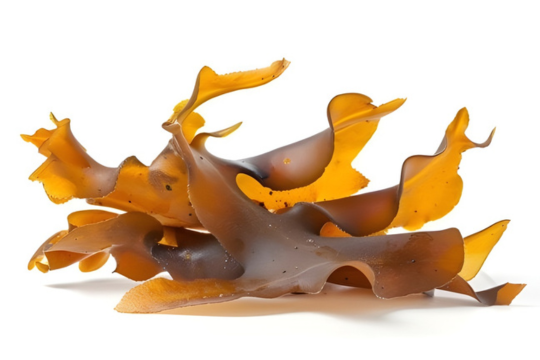
Brown seaweeds, such as kombu (Saccharina japonica), wakame (Undaria pinnatifida), and other species, contain a group of complex polysaccharides known as fucoidans. These naturally occurring compounds have been studied extensively in laboratory and animal research for their potential biological activities, including effects on cancer cells.
What Fucoidan Is
Fucoidan is a sulfated polysaccharide found in brown seaweed cell walls. It has been investigated for various health-related properties, including anti-inflammatory, antioxidant, and anticancer effects in experimental settings.
Effects on Cancer Cells in the Lab
In laboratory studies (in vitro), fucoidan has been shown to affect cancer cells in several ways:
- Inducing programmed cell death (apoptosis): Research has demonstrated that fucoidan can activate biochemical pathways that lead to apoptosis in colorectal, breast, and other cancer cell lines. This means the cells initiate a controlled self-destruct process rather than continuing to grow uncontrollably.
- Inhibiting proliferation: Numerous studies show that fucoidan can slow or reduce the proliferation of certain cancer cells by interfering with the cell cycle and growth signals.
- Anti-metastatic and anti-angiogenic effects: In some experimental models, fucoidan has been associated with reduced cell migration and inhibition of new blood vessel formation—processes that are important for tumor growth and spread.
These effects have been observed when cancer cells in a dish are exposed directly to fucoidan at particular concentrations.
What About in Animals and Humans?
While fucoidan has shown promising anticancer activity in cell cultures and some animal models, this does not mean it cures cancer in humans. Some small clinical reports and trials have investigated fucoidan supplements as complementary therapy, suggesting potential benefits such as improved quality of life or reduced side effects during conventional treatment, but evidence is limited and not conclusive.
Important Clarifications
- Lab results aren’t the same as human outcomes: Most of the research showing cancer cell death has been done outside the human body under controlled conditions, not as a standalone cancer cure in people.
- “Self-destruct” is a simplified way to describe apoptosis: In biochemical research, apoptosis is a well-regulated form of programmed cell death that scientists can measure in cell studies.
- Supplements vs. whole foods: Research often uses isolated, concentrated extracts of fucoidan rather than whole seaweed. Effects seen in a dish or animal model don’t automatically translate to the same effects from eating seaweed or taking supplements.
Bottom Line
Scientific studies suggest that compounds in brown seaweed, especially fucoidan, can influence cancer cell behavior in laboratory and animal experiments. These include arresting cell growth and inducing programmed cell death under specific conditions. However, there is no definitive clinical evidence that brown seaweed or fucoidan alone can treat or cure cancer in humans. More rigorous research is needed to understand whether these compounds can be used effectively and safely in medical settings.