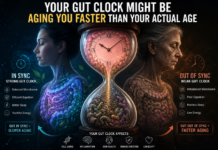
In the world of longevity science, researchers have identified a phenomenon that acts as a silent accelerator of the aging process: Inflammaging. This term describes the chronic, low-grade, systemic inflammation that develops with age, contributing to a host of age-related diseases, including cardiovascular issues, metabolic syndrome, and cognitive decline.
Recent scientific literature, such as the comprehensive review published in Ageing Research Reviews (DOI: 10.1016/j.arr.2022.101596), highlights that while aging is inevitable, the “inflammaging” process is highly malleable—and your diet is one of the most potent tools you have to modulate it.
What is Inflammaging?
Unlike acute inflammation—which is a necessary, short-term immune response to injury or infection—inflammaging is persistent. Over time, this chronic activation of the immune system wears down cellular integrity and accelerates biological aging. It is essentially a state where the body’s “firefighting” system is stuck in the “on” position, slowly damaging healthy tissues.
How Diet Fuels (or Cools) the Fire
The connection between nutrition and systemic inflammation is profound. The food choices we make daily act as signaling molecules that either promote or inhibit inflammatory pathways.
The Pro-Inflammatory Triggers
Modern dietary patterns, often characterized by high intake of ultra-processed foods, added sugars, and refined carbohydrates, are primary drivers of inflammaging. These foods can cause:
- Dysbiosis: Disruptions in the gut microbiome that allow inflammatory markers to leak into the bloodstream.
- Oxidative Stress: An imbalance between free radicals and antioxidants that damages cellular components.
- Hyperglycemia: Spikes in blood sugar that trigger insulin resistance and pro-inflammatory signaling.
The Anti-Inflammatory Shield
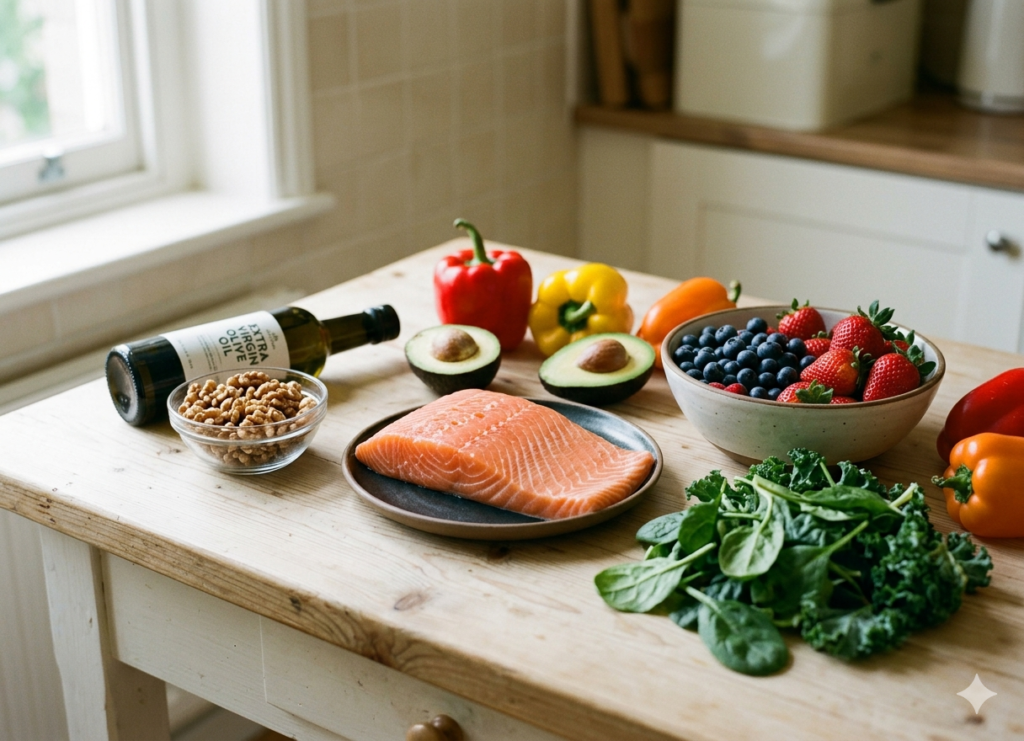
Conversely, adopting an anti-inflammatory dietary pattern—often resembling the Mediterranean or plant-forward diets—can significantly dampen this process. Key components include:
- Polyphenols: Found in colorful fruits, vegetables, green tea, and extra virgin olive oil, these compounds act as direct inhibitors of inflammatory pathways.
- Omega-3 Fatty Acids: Abundant in fatty fish, walnuts, and flaxseeds, these fats are essential for resolving inflammation and maintaining cellular membrane health.
- Fiber-Rich Foods: High-fiber diets support a diverse gut microbiome, which produces short-chain fatty acids (SCFAs) like butyrate, known for their powerful anti-inflammatory effects.
The Mathematical Reality of Aging
If we consider the cumulative effect of inflammation over time, we can visualize the biological aging process through the lens of cellular health. If III represents the rate of inflammatory damage and TTT represents time, the total physiological “wear and tear” (WWW) can be modeled as:
By choosing a diet that lowers the rate of inflammation (III), we effectively slow the accumulation of biological damage (WWW), potentially extending both lifespan and, more importantly, healthspan.
Practical Takeaways for Longevity
To combat inflammaging through nutrition, focus on these actionable steps:
- Prioritize Whole Foods: Shift the focus away from processed goods toward nutrient-dense, whole-food sources.
- Diversity is Key: Aim for a wide variety of plant-based foods to nurture a healthy, anti-inflammatory gut environment.
- Mind the Blood Sugar: Stable blood glucose levels are essential for preventing the chronic insulin spikes that feed inflammatory processes.
While we cannot stop the passage of time, we have substantial control over how our bodies respond to it. By viewing your diet as a long-term investment in cellular health, you can effectively “cool” the fires of inflammaging and pave the way for a more vibrant, resilient future.