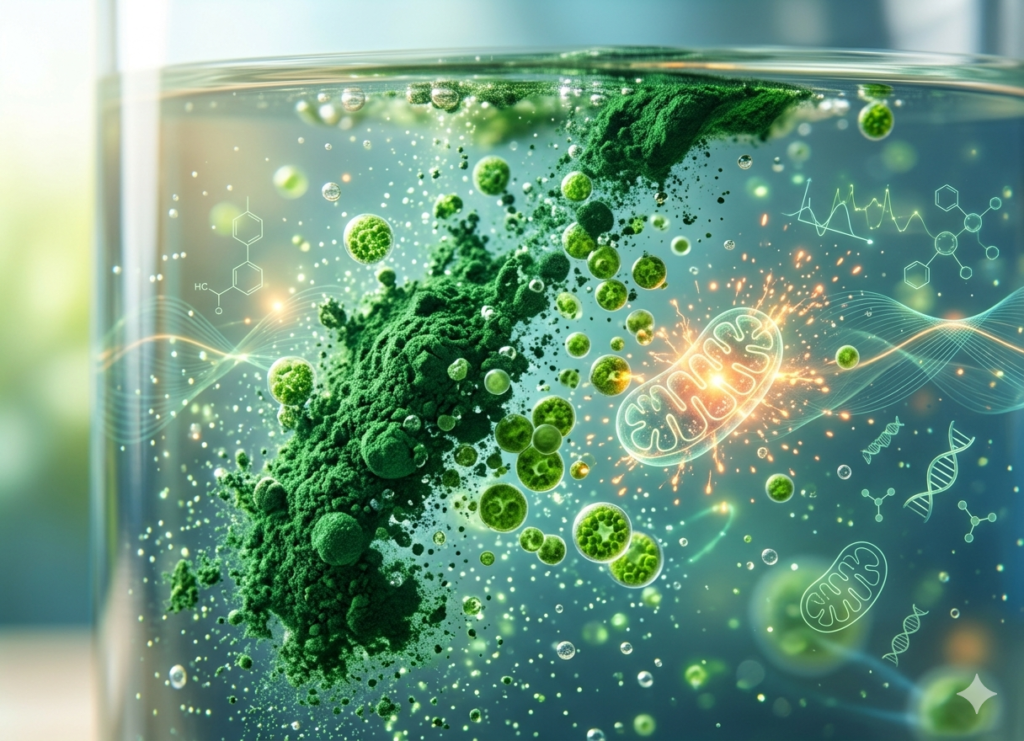
Could the Secret to Longevity Be Hidden in Microalgae?
The search for longer, healthier lives has led scientists to explore everything from fasting to advanced medical technologies. But one of the most fascinating discoveries may come from something surprisingly simple: microalgae.
Researchers and health experts are increasingly looking at algae-based nutrients as powerful tools for supporting cellular energy, longevity, and overall health. These microscopic organisms have existed on Earth for billions of years and contain an impressive concentration of nutrients that may help the human body function more efficiently.
According to biohacking expert Dave Asprey, certain forms of algae may influence the body’s energy production systems and even support processes linked to healthy aging.
Let’s explore how these ancient organisms may play a role in the future of anti-aging nutrition.
Why Cellular Energy Matters for Aging
At the core of aging is a gradual decline in cellular energy production. Every cell in your body relies on tiny structures called mitochondria to generate energy.
Over time, factors such as:
- oxidative stress
- nutrient deficiencies
- environmental toxins
- chronic inflammation
can impair mitochondrial function.
When this happens, people may experience:
- fatigue
- slower metabolism
- reduced cognitive performance
- accelerated aging
Supporting mitochondrial health is therefore one of the most important strategies in longevity science.
This is where algae-based nutrients begin to stand out.
The Nutritional Power of Microalgae
Microalgae are single-celled aquatic organisms that are packed with essential nutrients. Unlike many conventional foods, they deliver a dense supply of compounds that the body uses to support cellular health.
Some of the most researched varieties include:
- Spirulina
- Chlorella
These algae are often referred to as nutritional powerhouses because they contain:
- complete proteins
- essential amino acids
- antioxidants
- vitamins and minerals
- chlorophyll
- omega fatty acids
This unique combination of nutrients may help support the body’s natural energy systems.
Algae and Mitochondrial Energy
One of the most intriguing areas of research involves how algae nutrients may support mitochondrial function.
Mitochondria are responsible for producing ATP, the molecule that powers nearly every biological process in the body.
Some algae compounds appear to help:
- support mitochondrial efficiency
- reduce oxidative stress
- promote cellular repair processes
- improve metabolic resilience
When mitochondria function more efficiently, the body may experience:
- improved stamina
- better cognitive performance
- healthier aging patterns
This is why many longevity researchers view mitochondrial support as a cornerstone of anti-aging strategies.
Antioxidants and Cellular Protection
Another major benefit of microalgae is their rich antioxidant content.
Compounds found in algae may help neutralize free radicals, unstable molecules that damage cells and accelerate aging.
Key antioxidant components in algae include:
- phycocyanin
- carotenoids
- chlorophyll
- polyphenols
By reducing oxidative stress, these compounds may help protect:
- skin cells
- brain tissue
- cardiovascular systems
- immune function
Lower oxidative stress is strongly associated with long-term health and longevity.
The Future of Algae-Based Nutrition
Microalgae are attracting increasing attention not just for their health benefits, but also for their sustainability.
Compared with traditional agriculture, algae:
- require less land
- grow rapidly
- use fewer natural resources
- can be cultivated year-round
Because of this, many scientists believe algae may play a major role in future nutritional solutions.
Researchers are currently studying how algae-derived nutrients may support:
- metabolic health
- immune resilience
- detoxification pathways
- cognitive longevity
While more research is still emerging, early findings suggest these ancient organisms could become an important part of modern health strategies.
Supporting Longevity Through Nutrition
Healthy aging isn’t about one miracle food. Instead, it involves building habits that support the body at the cellular level.
This includes:
- nutrient-dense foods
- antioxidant-rich diets
- regular movement
- quality sleep
- stress management
Adding superfoods like algae may complement these lifestyle choices by delivering concentrated nutrition that supports the body’s natural energy systems.
As research continues to unfold, the idea that tiny organisms like microalgae could influence human longevity is becoming increasingly compelling.
Final Thoughts
The science of longevity is evolving rapidly, and one of the most promising areas of research involves cellular energy and nutrient-dense superfoods.
Microalgae such as spirulina and chlorella may provide powerful compounds that support mitochondrial health, reduce oxidative stress, and contribute to overall vitality.
While they are not a magic cure for aging, these ancient organisms remind us that sometimes the most powerful health solutions come from nature itself.