
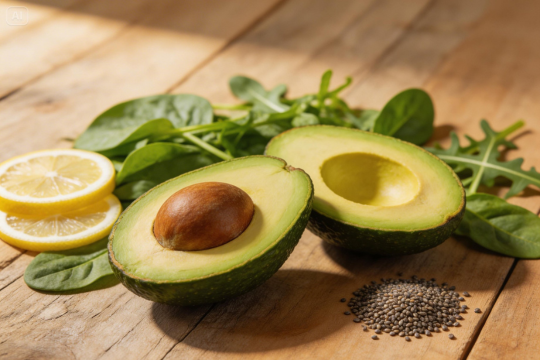
Avocados (Persea americana) are nutrient-dense fruits that deliver a unique combination of healthy fats, fiber, vitamins, minerals, and antioxidants. They’re widely appreciated not only for their creamy taste and versatility in cooking but also for their potential health advantages when included as part of a balanced diet.
Rich Nutrient Profile
Avocados are high in calories compared with most fruits, but many of those calories come from beneficial components:
- Predominantly heart-healthy monounsaturated fats (mainly oleic acid)
- Dietary fiber
- Vitamins: K, C, E, B-vitamins (including folate)
- Minerals: potassium, magnesium
- Plant bioactives & antioxidants such as carotenoids (lutein and zeaxanthin)
This nutrient combination helps support several aspects of health.
Benefits for Heart Health
Avocado consumption has been associated with improvements in cardiovascular risk factors:
- Helps lower LDL “bad” cholesterol and potentially raise HDL “good” cholesterol
- Supplies potassium, important for healthy blood pressure control
- Contains phytosterols, plant compounds that may help reduce cholesterol absorption in the gut
Large population studies have found that people who eat avocados tend to have a lower risk of heart disease compared with those who don’t, especially when avocados replace less healthy fats in the diet.
Supports Digestive and Gut Health
Avocados are a good source of dietary fiber — both soluble and insoluble types — which:
- Promotes regular bowel movements and digestive comfort
- Feeds beneficial gut bacteria, contributing to a healthy gut microbiome
- Can help stabilize blood sugar levels by slowing digestion
A study also found that people who ate avocados daily showed favorable changes in gut bacterial diversity compared with those who did not.
Weight Management and Satiety
Despite being relatively high in calories, avocados may help with appetite control because:
- Their healthy fats and fiber make meals more filling
- They can help regulate hunger hormones and blood glucose levels after eating
Including avocado in meals instead of refined carbohydrates or highly processed snacks may support better calorie regulation over time.
Antioxidants and Anti-Inflammatory Effects
Avocados provide antioxidant nutrients like lutein, zeaxanthin, and vitamin E, which:
- Protect cells from oxidative stress
- Support eye health and could reduce the risk of age-related macular degeneration
- May help reduce markers of inflammation when part of a healthy diet
These compounds also assist the body in fighting free radical–related damage.
Pregnancy and Nutrient Support
Avocados offer folate, a B-vitamin especially important during pregnancy for healthy fetal development. They also contribute essential nutrients such as potassium and fiber, which are beneficial during pregnancy and breastfeeding.
Other Potential Benefits
Research suggests avocados can contribute to:
- Brain health — through antioxidants and healthy fats
- Balanced blood sugar levels — due to fat and fiber slowing carbohydrate absorption
- Healthy aging — by providing phytonutrients that protect cells from damage
Practical Tips for Enjoying Avocado
Avocados are versatile in many dishes:
- Sliced on toast or salads
- Mashed into guacamole
- Blended into smoothies
- Used as a spread instead of less healthy fats
Because they also help absorb fat-soluble vitamins from vegetables, combining avocado with other nutrient-rich foods can boost overall nutrient uptake.
Summary
Avocados are a nutritious, calorie-dense fruit rich in healthy fats, fiber, vitamins, minerals, and antioxidants. Research suggests they may support heart health, digestion, weight management, antioxidant defenses, and overall diet quality when eaten as part of a balanced diet.


