
An $8 “Nutritional Chemotherapy” for Cancer
An extract from the turmeric root, called curcumin, has been shown in various studies to eliminate cancer cells from the body. At certain doses, its effects can rival those of chemotherapy, and it can cost as little as $8 to administer.
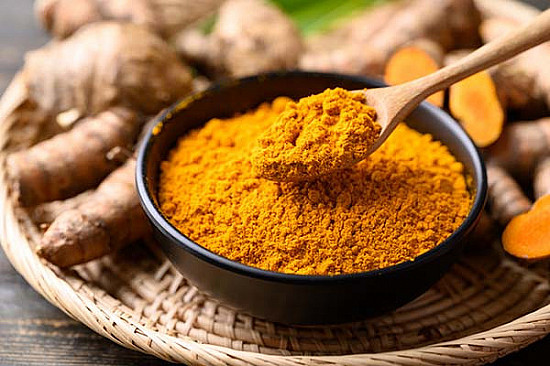
Turmeric is a perennial herb treasured in Ayurvedic medicine and widely recognized as the golden spice used in curry and mustard. Today, it is often referred to as a form of “nutritional chemotherapy” because of its powerful biological effects.
Many people use turmeric and curcumin daily as a low-cost, natural approach to help prevent cancer, and some take it at high, “chemotherapy-level” doses to support treatment of early and advanced cancers, with the added appeal of having minimal side effects.
Turmeric vs. Curcumin: Understanding the Difference
Curcumin is just one of hundreds of active components in the turmeric root. The two terms are often used interchangeably, but they are not the same:
- Turmeric – the whole root or whole herb used as food and medicine.
- Curcumin – a concentrated extract from turmeric, singled out for its strong therapeutic properties.
Curcumin’s medicinal use goes back about 6,000 years, to the time of the ancient Egyptian pharaohs and the early days of Ayurvedic medicine in India. In modern times, curcumin is widely used and researched for its:
- Anti-inflammatory effects
- Antioxidant activity
- Anti-arthritic benefits
- Anti-tumor effects
- Anti-amyloid actions (supporting protection against neurodegenerative diseases)
A Long Tradition and a Patent Battle
When curcumin’s cancer-fighting properties began attracting attention in Western medicine, an American pharmaceutical company attempted to patent turmeric. This move outraged practitioners and suppliers in India, who pointed out that turmeric had been used for thousands of years to heal and treat major diseases and should not be turned into a proprietary invention.
Broad Anti-Cancer Effects
According to Ayurvedic expert Karta Purkh Singh Khalsa (KP), Yogaraj in Ayurveda and author of Herbal Defenses:
“Curcumin has broad anti-cancer effects during initiation, promotion, and progression of tumors. Several studies suggest that curcumin can cause cancer to regress, has action against carcinogens, substantially reduces the formation of mutagenic (cancer causing) chemicals, and eliminates DNA damage to prevent the development of cancer.”
Curcumin is considered effective in both cancer prevention and treatment because it is rich in:
- Phytochemicals – plant compounds with protective and disease-preventive properties
- Polyphenols and chemopreventive compounds – which block harmful chemicals from entering cells and help suppress tumor formation
- Antioxidants and anti-carcinogenic agents – which act as free-radical scavengers, anti-mutagens, and bio-protectors that halt pre-cancerous and cancerous growth
Curcumin and Breast Cancer
Curcumin is being explored as a way to help reduce high rates of breast cancer, thanks to its ability to slow and stop the division of cancer cells, thereby limiting their spread.
In one study on human breast cancer cells, curcumin reversed cancer cell growth by 98%. Another study in mice showed that curcumin slowed the spread of breast cancer from the breast into the lungs, throat, and other areas of the body.
Multiple Myeloma Research
At the University of Texas MD Anderson Cancer Center, researchers conducted a study in which curcumin was added to cell cultures containing multiple myeloma, a type of blood cancer. In this setting:
- Curcumin stopped the cancer cells from reproducing.
- The remaining cancer cells died.
These results highlight curcumin’s influence on cancer cell survival and growth in experimental models.
Curcumin, Glutathione, and Cellular Protection
Curcumin also interferes with cancerous cell growth by supporting the body’s own antioxidant defenses, particularly glutathione.
- Glutathione is a crucial antioxidant that the body produces to maintain normal cellular activity.
- It is unique because it operates inside the cell, giving it a strategic position to protect cellular structures and DNA.
Curcumin helps activate and protect glutathione, and together they inhibit cellular mutagens—agents that can damage DNA and promote cancer. From this prime position inside the cell, glutathione and curcumin work as a powerful team to stop mutagens before they can trigger cancerous changes.
Protection from Chemically-Induced Cancers
Curcumin has been shown to reduce chemically-induced cancers, such as mouth and tongue cancers caused by smoking, by up to 90%.
One of its key roles is in modulating liver detoxification enzymes, especially the cytochrome P450 system. Curcumin:
- Interferes with the liver’s conversion of environmental toxins into carcinogens,
- Prevents these carcinogens from mutating cells,
- Helps block the chain of events that would otherwise promote cancerous growth.
An Untapped, Low-Cost Cancer Treatment Resource
Herbalist Jonathan Treasure, co-founder of the Centre for Natural Healing and co-author of Herb, Nutrient, and Drug Interactions: Clinical Implications and Therapeutic Strategies, states:
“Curcumin has been found to influence over 60 molecular targets in the cancer process. With an established safety record and a fraction of the cost of conventional chemotherapy, plant compounds like curcumin represent an enormous and almost untapped resource for cancer treatment.”
Curcumin interacts with many different molecular pathways involved in cancer initiation, growth, and spread, making it a uniquely versatile compound for ongoing research.
Curcumin Supplements: High Potency vs. Whole Turmeric
To reach levels comparable to chemotherapy, high doses of pure curcumin are required. For this reason, many people turn to over-the-counter curcumin supplements that provide concentrated extracts.
One example highlighted is:
- Curcumin 95 (from Jarrow Formulas, around $8.00):
- Contains 95% curcuminoids – curcumin, demethoxycurcumin, and bisdemethoxycurcumin
- Labeled as an 18:1 extract of turmeric, meaning a single Curcumin 95 capsule is equivalent to taking 18 capsules of whole turmeric.
- Contains 95% curcuminoids – curcumin, demethoxycurcumin, and bisdemethoxycurcumin
As Karta Purkh Singh Khalsa explains, taking a pure, highly concentrated extract like Curcumin 95 is one of the simplest ways to get a therapeutic dose of curcumin into the body.
Because dosage can vary based on individual needs and health conditions, it is recommended to consult a naturopathic doctor or an Ayurvedic medical practitioner to determine the proper amount of curcumin for cancer support or prevention.


