
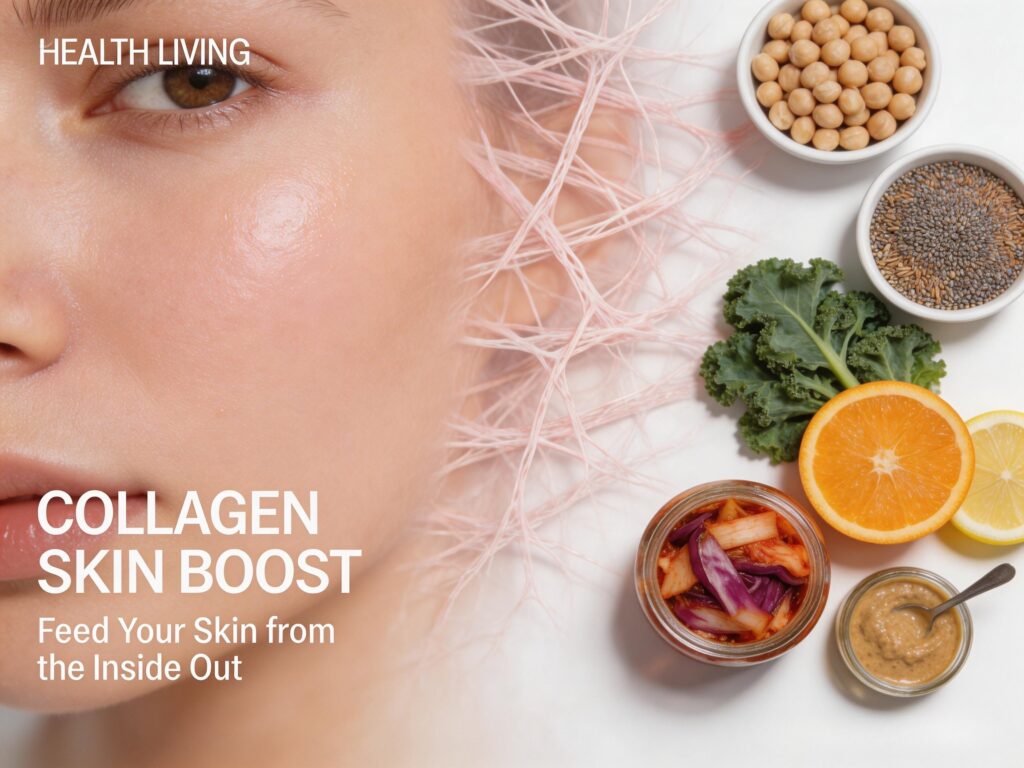
Billions of dollars are spent every year on beauty and skincare products, reflecting society’s
fascination with maintaining youthful, radiant skin. Traditionally, skin care has focused on
topical treatments, from creams and serums to masks and sunscreens. Yet, the skin is the
largest organ of the human body, and a significant part of its health comes from how we
nourish it from the inside.
While no one’s skin is perfect—and each of us carries a personal “scorecard” of pimples, scars,
and wrinkles—being compassionate toward ourselves as we age is a vital act of self-love.
However, it can also be frustrating when skin doesn’t cooperate. Many factors influence skin
health, including aging, hormones, and genetics, which are largely beyond our control.
Nutrition, however, is a factor we can actively influence, and emerging research highlights its
powerful role in supporting skin structure, function, and appearance.
The Science of Collagen: Building Strong, Resilient Skin
Our skin’s structure depends heavily on collagen, the primary structural protein forming a
fibrous network that provides firmness and elasticity. Unfortunately, collagen production
naturally declines with age—starting around age 20, the body loses about 1% of collagen per
year. This gradual loss contributes to common signs of aging, including wrinkles, sagging, and
reduced skin resilience.
Supporting Collagen Through Diet
While collagen supplements have become popular, experts recommend a “foods first”
approach. The body requires sufficient protein to generate collagen, making protein-rich foods
essential. These include:
● Legumes: beans and lentils
● Soy products: tofu and tempeh
● Nuts and seeds
Protein provides the building blocks (amino acids) necessary for collagen synthesis.
Additionally, vitamins C and E play critical roles in repairing damaged collagen, which can be
degraded by UV exposure, pollution, and free radicals. Key food sources include:
● Vitamin C: citrus fruits, bell peppers, broccoli
● Vitamin E: almonds, sunflower seeds, leafy greens, avocados, peanuts
By incorporating these nutrients, we support the maintenance and repair of collagen
networks, which helps preserve skin strength and elasticity.
Zinc: Healing and Anti-Inflammatory Support
Zinc is an essential mineral for skin repair. It aids in wound healing, reduces inflammation, and
supports management of conditions such as acne, eczema, psoriasis, and rosacea. Foods
rich in zinc include:
● Pumpkin, sesame, and hemp seeds
● Nutritional yeast
● Legumes: beans and lentils
● Whole grains
● Soy products: tofu
Absorption note: Plant-based zinc can be inhibited by phytates, naturally occurring
compounds in grains, nuts, and seeds. Simple preparation methods such as soaking,
sprouting, or fermenting can improve bioavailability.
Hydration and Healthy Fats for Skin Moisture
Dry skin can result from environmental exposure, medications, or harsh cleansing habits. While
topical moisturizers are crucial, dietary fats—particularly omega-3 fatty acids—also enhance
skin hydration by strengthening the skin barrier, which helps retain water.
Plant-based sources of omega-3s include:
● Walnuts
● Chia seeds
● Hemp seeds
● Ground flax seeds
● Algae-based supplements
Adequate water intake is also essential for overall health, which indirectly supports skin
hydration. However, hydration benefits are most pronounced when correcting existing
dehydration.
Sebum Regulation and Diet
Sebum, the oily substance secreted by sebaceous glands, is necessary for lubricating the skin.
Excessive sebum production, however, can increase the likelihood of acne and blackheads.
Factors influencing sebum levels include:
● Hormonal fluctuations
● Dietary intake
High-glycemic foods—those that quickly raise blood sugar—can trigger insulin spikes, which
may lead to excess sebum. These include:
● Sweetened beverages
● Refined grains
● Confectioneries
Conversely, low-glycemic foods promote balanced sebum production and healthier skin.
Examples include:
● Vegetables
● Whole grains
● Tofu and edamame
● Nuts and seeds
Gut Health and Its Connection to Skin
Recent research emphasizes the gut-skin axis, highlighting how the balance of gut
microorganisms can influence skin health. A diverse and thriving gut microbiome supports skin
resilience, while an imbalance may contribute to conditions like acne, psoriasis, and eczema.
Dietary strategies to enhance gut health include:
● Fermented foods: kimchi, miso, sauerkraut, kombucha
● Plant-based yogurts rich in probiotics
These foods help support beneficial gut bacteria, which in turn can positively influence skin
condition.
Anti-Inflammatory Nutrition and Skin Aging
Chronic inflammation contributes to systemic conditions like heart disease, arthritis, and also
affects the skin, manifesting as acne, wrinkles, and rosacea. Plant-based diets rich in
antioxidants and anti-inflammatory compounds can counteract these effects, promoting
skin smoothness, elasticity, and even coloration. Fruits, vegetables, nuts, and seeds are
particularly potent sources.
While no single food or supplement can guarantee flawless skin, consistent dietary choices can
contribute to gradual, meaningful improvements over time.
Putting It All Together: A Balanced Approach
It is important to remember that many factors influence skin health, including:
● Hormones
● Stress
● Medications
● Environmental exposure
Nutrition is just one pillar, but it is one of the most controllable. By focusing on a diverse,
nutrient-dense, plant-forward diet, you can provide your skin with the tools it needs to stay
resilient, hydrated, and radiant.
Consistency is key: the benefits of edible skin care accumulate over weeks and months,
complementing topical care and lifestyle choices. By nourishing your skin from the inside, you
take a proactive, science-backed approach to supporting long-term skin health.


